 0755-23179541
  sales@oyii.net
.png) 8618926041961
8618926041961Essential Underground Pipeline Deployment Equipment
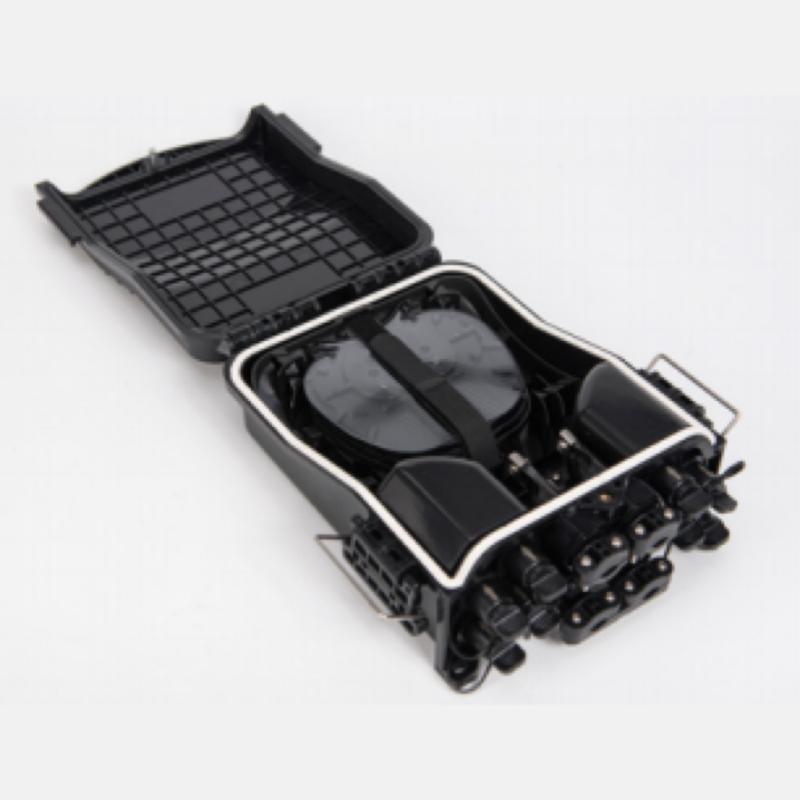
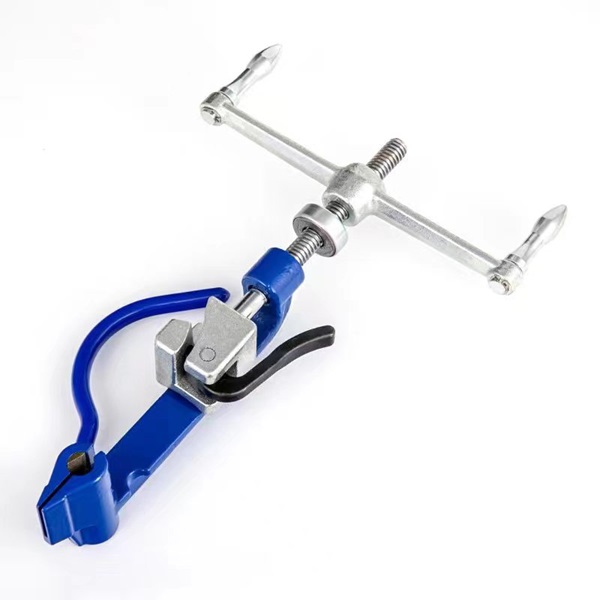
High-grade splice closures, ruggedized terminal boxes, and precision installation tooling built for subterranean pipeline infrastructure environments.
Precision Simplex Geometry
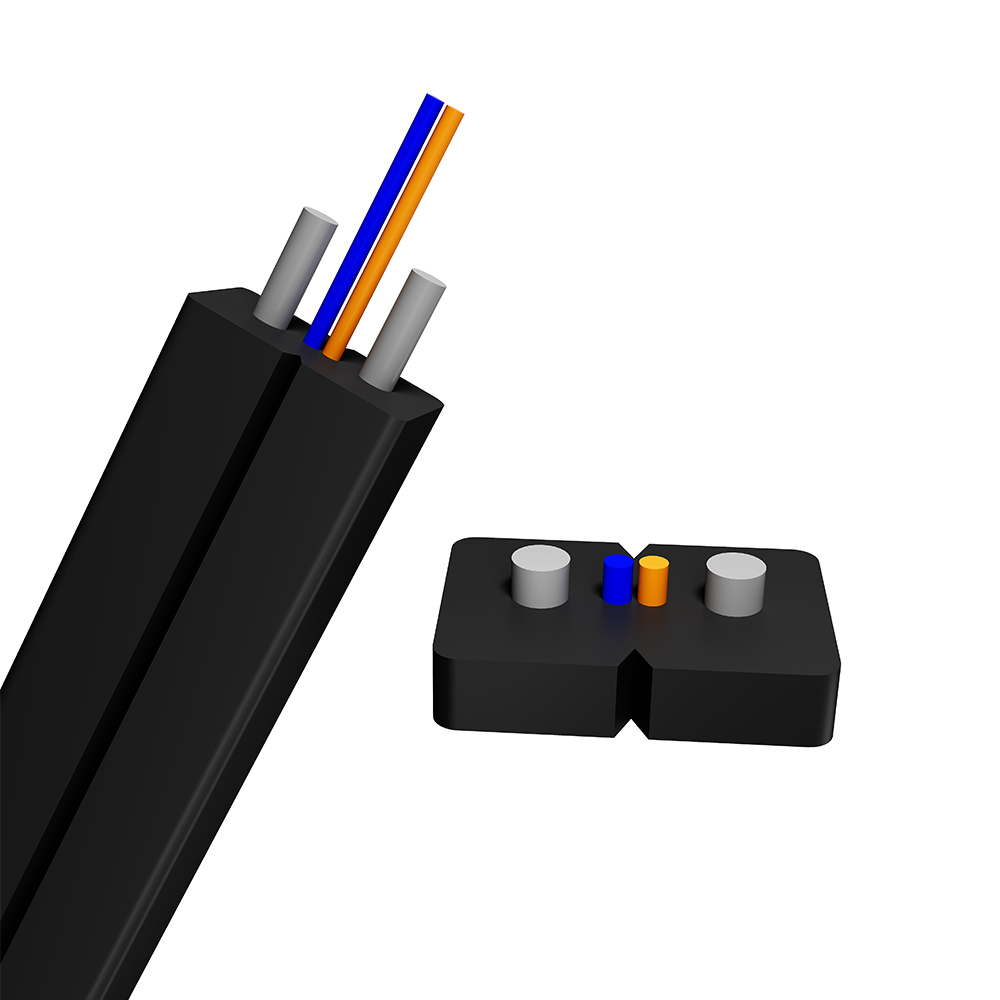
Optimized 900μm tight-buffer or 2.0mm/3.0mm ruggedized simplex jacketing ensures effortless micro-routing inside high-density subterranean splice trays.
IP68 Subterranean Ingress Defense
Designed to integrate flawlessly with horizontal and dome closures, preventing moisture migration, chemical leachate ingress, and hydrostatic head pressure.
Ultra-Low Insertion Loss
Compliant with ITU-T G.652.D & G.657.A2 bend-insensitive glass standards to maintain
1. Industrial Landscape & The Strategic Imperative of Underground Pipeline Optical Networks
The rapid digital transformation of critical subterranean infrastructure—including high-pressure crude oil pipelines, natural gas transmission grids, municipal potable and wastewater conduits, and sub-surface electrical utility conduits—demands unprecedented data integrity, continuous physical condition monitoring, and high-speed telemetry. Simplex fiber optic cables play a decisive role in this domain. Unlike multi-fiber loose-tube trunk cables that serve aggregate transport backbones, simplex optical cables serve as the ultra-precise, agile nervous system designed for discrete drop points, localized sensory nodes, field instrumentation, and tap-off field splicing inside underground Fiber Optic Splice Closures (FOSC).
Subterranean environments pose severe environmental and mechanical challenges. Underground pipeline routes frequently traverse aggressive soil conditions characterized by high hydrostatic pressure, constant water table immersion, cyclic thermal fluctuations, seismic ground shifts, rodent infestation, and corrosive chemical leachates. As smart pipeline monitoring expands into Distributed Acoustic Sensing (DAS) for perimeter intrusion and Distributed Temperature Sensing (DTS) for leak localization, the demand for single-mode simplex cables optimized for field fusion splicing has surged exponentially. Ensuring seamless mechanical and optical compatibility between simplex drop lines and heavy-duty subterranean splice enclosures is paramount to preventing network outages and critical telemetry loss.
Critical Operating Challenges in Underground Pipeline Ducts
Deploying optical fibers in pipeline conduits involves unique physical stresses. When field technicians pull, route, and terminate simplex drop cables into manhole-based splice trays, the cable construction must absorb high tensile pulling forces without transferring strain to the silica glass core.
Furthermore, in direct-buried or flooded utility duct conditions, water ingress through compromised seals can cause micro-bending attenuation spikes and catastrophic hydrogen darkening. A robust simplex fiber optic cable must maintain dimensional stability, hydrolytic resistance, and crush resilience.
- Hydrostatic Immersion: Sustained IP68 rating at 3 to 5 meters water head pressure.
- Operating Temperature: Continuous stability from -40°C to +85°C.
- Tensile Rating: Minimum 150N to 500N for tight-buffered simplex runs.
- Crush Resistance: Exceeding 1000N/100mm to withstand conduit pinch points.
2. Structural Engineering of Simplex Fiber Optic Cables for Subterranean Enclosures
A simplex fiber optic cable engineered specifically for underground pipeline closure splicing features a meticulously layered concentric design. Each component serves a distinct mechanical and optical shielding purpose:
- Optical Fiber Core & Cladding: Standard 9/125μm single-mode silica glass. Modern pipeline deployments utilize ITU-T G.657.A1 or G.657.A2 bend-insensitive fibers that tolerate macro-bend radii as tight as 7.5mm to 10mm without induced optical loss, which is essential inside compact splice closure cassettes.
- Primary Acrylate Coating (250μm): Dual-layer UV-cured acrylate protective coating providing initial micro-bend isolation and environmental moisture shielding.
- Tight Buffer Layer (900μm): Formulated with premium LSZH, PVC, or Hytrel thermoplastic elastomer. The 900μm tight buffer offers outstanding mechanical stripability over long lengths (up to 100mm in a single stroke) without damaging the 250μm primary coating, facilitating rapid field fusion splicing.
- Aramid Yarn Tensile Strength Members: Strands of high-modulus Kevlar / Aramid yarn are helically wrapped around the buffered core to provide tensile load absorption during cable pulling and routing through closure cable glands and grommets.
- Outer Ruggedized Jacket: Available in Low Smoke Zero Halogen (LSZH), High-Density Polyethylene (HDPE), or Flame-Retardant Polyurethane (PUR). The jacket resists friction abrasion, oil exposure, fungal growth, and environmental stress cracking (ESCR).
| Specification Parameter | Tight-Buffered Simplex (900μm / 2.0mm) | Armored / Ruggedized Simplex (3.0mm) | Industry Compliance Standard |
|---|---|---|---|
| Fiber Type Compatibility | ITU-T G.652.D / G.657.A1 / G.657.A2 | ITU-T G.657.A2 / G.657.B3 | IEC 60793-2-50 |
| Attenuation @ 1310nm | ≤ 0.35 dB/km | ≤ 0.36 dB/km | ITU-T G.652.D |
| Attenuation @ 1550nm | ≤ 0.21 dB/km | ≤ 0.22 dB/km | ITU-T G.652.D |
| Max Tensile Load (Short Term) | 150 N – 200 N | 400 N – 600 N | IEC 60794-1-2-E1 |
| Crush Resistance | 500 N / 100mm | 2200 N / 100mm | IEC 60794-1-2-E3 |
| Operating Temperature | -20°C to +70°C | -40°C to +85°C | IEC 60794-1-2-F1 |
3. Underground Pipeline Fiber Optic Closure (FOSC) Architecture & Sealing Technologies
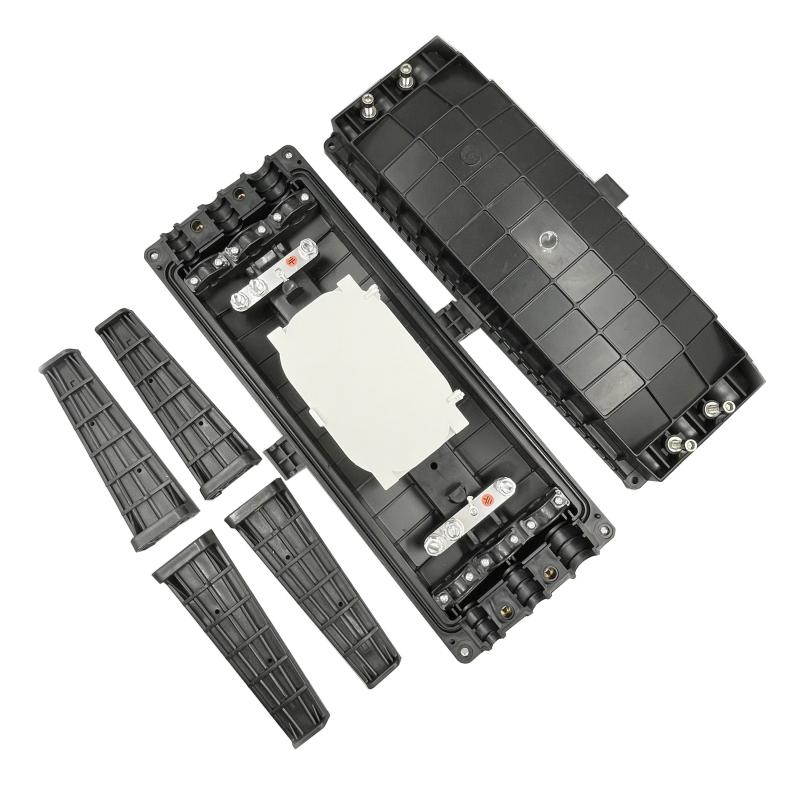
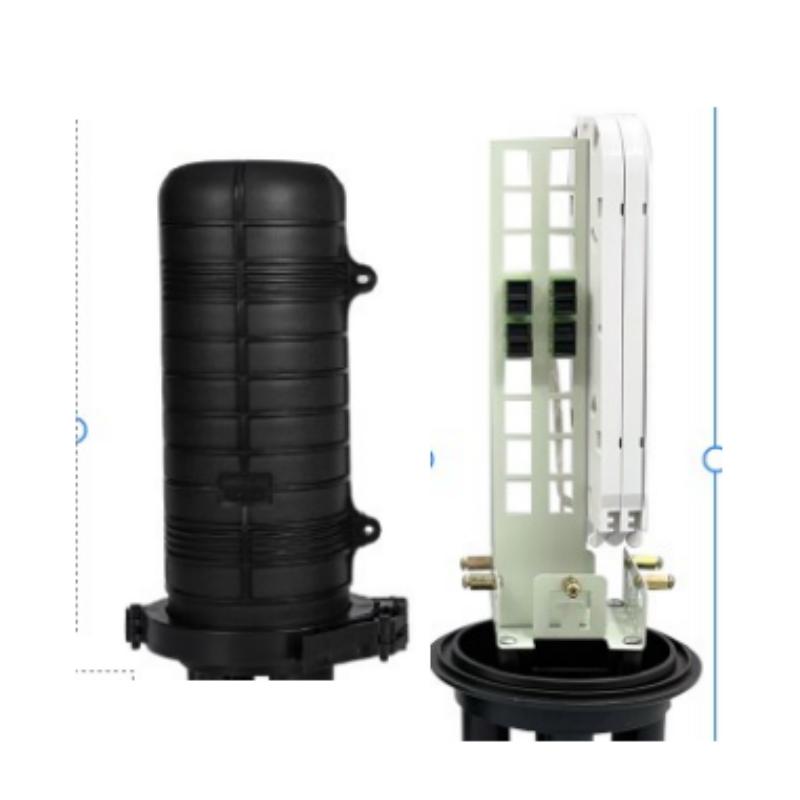
Fiber Optic Splice Closures installed in underground utility tunnels, pipeline valve pits, manholes, and direct-buried environments act as the primary environmental bunker for delicate fiber splices. Selecting the proper closure type—whether horizontal/inline (such as the OYI-FOSC-H03) or dome/vertical (such as the OYI-FOSC-D104H)—depends on the pipeline conduit layout, branch topology, and field splicing workflow.
3.1 Sealing Mechanics: Mechanical Compression vs. Heat-Shrink vs. Silicone Gel
In subterranean pipeline environments subject to intermittent flooding, the seal at the cable entry port is the most critical failure point. When routing thin simplex cables into closures designed for thicker multi-core feeder cables, field technicians must use specialized multi-hole rubber grommets, mechanical split seals, or mastic-backed heat-shrink sleeves to prevent water migration. Advanced closures utilize re-enterable silicone gel sealing blocks that expand under compressive latch force, forming an airtight, watertight barrier around simplex drop cables without requiring open flames in potentially hazardous oil & gas environments.
3.2 Splice Tray Organization & Bend Radius Management
Inside the splice closure, simplex fibers undergo stripping, cleaving, and arc fusion splicing before being secured in splice trays. The tray design must provide dedicated retention clips for 40mm or 60mm heat-shrink splice protection sleeves. Fiber routing tracks must strictly enforce a bend radius greater than 30mm for standard G.652.D fiber, or 15mm for G.657.A2 fiber, preventing macro-bending attenuation spikes and mechanical glass fatigue over a 25-year service lifecycle.
4. Step-by-Step Field Fusion Splicing Protocol in Pipeline Enclosures
Field fusion splicing of simplex fiber optic cables inside pipeline manholes and closure chambers requires stringent adherence to cleanroom-grade standards under demanding field conditions. The standardized protocol comprises five critical stages:
- Closure Cable Entry & Strain Relief Clamping: The simplex cable outer jacket is anchored using internal mechanical clamps. Aramid strength yarns are terminated onto the closure's central strength member bracket to prevent external pulling forces from transferring to the internal splice tray.
- Stripping & Buffer Preparation: Using precision thermal or three-hole mechanical fiber strippers, the outer jacket and 900μm tight buffer are stripped to expose approximately 35mm to 40mm of bare 250μm acrylate-coated glass. High-purity isopropyl alcohol (>99%) wipes are used to eliminate surface contaminants and buffer residue.
- High-Precision Fiber Cleaving: An automated diamond-blade cleaver generates an orthogonal end-face with a cleave angle strictly under 0.5 degrees. Proper cleave geometry is critical for achieving splice losses below 0.02 dB on core-alignment fusion splicers.
- Core-Alignment Electric Arc Fusion: The prepared simplex fibers are loaded into the fusion splicer v-grooves. Advanced image-processing algorithms align fiber cores across X and Y axes, apply pre-fuse arcs to vaporize microscopic debris, and execute the primary fusion arc.
- Splice Sleeve Heat-Shrinking & Tray Storage: A steel-reinforced polyolefin heat-shrink sleeve is centered over the bare glass junction and shrunk via the integrated oven. The spliced simplex assembly is routed into the splice tray slack-storage loop without inducing torsional twist.
5. Commercial Applications & Deep Technological Integration
The convergence of industrial automation, smart pipeline telemetry, and Distributed Optical Sensing has transformed simplex fiber optic cable installations into high-value infrastructure assets across several key commercial sectors:
5.1 Distributed Acoustic Sensing (DAS) for Pipeline Leak & Intrusion Detection
In modern crude oil, refined product, and gas transmission lines, dedicated simplex fibers serve as continuous optoelectronic acoustic sensors spanning hundreds of kilometers. Coherent Optical Time Domain Reflectometry (C-OTDR) injects laser pulses down the simplex fiber; ground vibrations caused by mechanical digging, unauthorized trespassing, or high-pressure gas leaks alter localized Rayleigh backscatter patterns. The backscatter shifts are processed by AI algorithms at central SCADA stations to pinpoint disturbance locations within ±2 meters.
5.2 Distributed Temperature Sensing (DTS) for Cryogenic & Chemical Pipelines
Liquefied natural gas (LNG) pipelines and heated heavy crude transmission lines utilize simplex fiber lines installed inside longitudinal conduit channels. Raman backscatter thermometry measures temperature variations along the entire pipeline length. Subterranean field splice closures provide reliable branch points where simplex sensor loops link into multi-fiber backbone links without introducing thermal measurement drift.
5.3 Subterranean Telemetry for Municipal Smart Water Grids
Municipal water authorities deploy simplex drop cables through underground conduit systems to connect flow meters, pressure transducers, and automated shut-off valve actuators to central supervisory control networks. Corrosion-resistant stainless steel strapping tools secure the cables along utility tunnel walls, while IP68 terminal boxes and closures protect critical fiber terminations from urban sewer flooding and corrosive hydrogen sulfide gases.
6. Future Trends in Subterranean Optical Infrastructure
The subterranean optical cabling industry continues to advance rapidly. Emerging trends driving simplex fiber engineering include:
- Nano-Coated Hydrophobic Glass Buffers: Next-generation simplex fibers incorporate fluoropolymer nano-coatings that actively repel moisture at the microscopic glass interface, eliminating the risk of water-induced micro-crack propagation over decades of deployment.
- Micro-Duct Jetting Optimization: Ultralight simplex cables with low-friction outer jackets are engineered for high-speed air-blown installation through 5mm/3.5mm micro-ducts, enabling rapid field deployments across pipeline corridors with zero trenching disruption.
- Automated AI Splicing Diagnostics: Fusion splicers integrated with cloud connectivity analyze arc discharge curves, cleave angles, and back-reflection parameters in real-time, certifying splice integrity directly against GIS pipeline asset databases before closures are sealed and buried.
Oyi International Co., Ltd.
Global provider of world-class fiber optic infrastructure, turnkey pipeline communication networks, and advanced optical connectivity solutions since 2006.
Oyi international., Ltd. is a dynamic and innovative fibre optic cable company based in Shenzhen, China. Since its inception in 2006, OYI has been dedicated to providing world-class fibre optic products and solutions to businesses and individuals across the globe. Our Technology R&D department has more than 20 specialized staff committed to developing innovative technologies and providing high-quality products and services. We export our products to 143 countries and have established long-term partnerships with 268 clients.
Our products are widely used in telecommunications, data center, CATV, industrial and other areas. Our main products include various types of optical fiber cables, fiber optic linkers, fiber distribution series, fiber optic connectors, fiber optic adapters, fiber optic couplers, fiber optic attenuators, and WDM series. Not only that, our products cover ADSS, ASU, Drop Cable, Micro Duct Cable, OPGW, Fast Connector, PLC Splitter, Closure, FTTH Box, etc. In addition, we provide our customers with complete fiber optic solutions, such as Fiber to the Home (FTTH), Optical Network Units (ONUs), and High Voltage Electrical Power Lines. We also provide OEM designs and financial support to help our customers integrate multiple platforms and reduce costs.
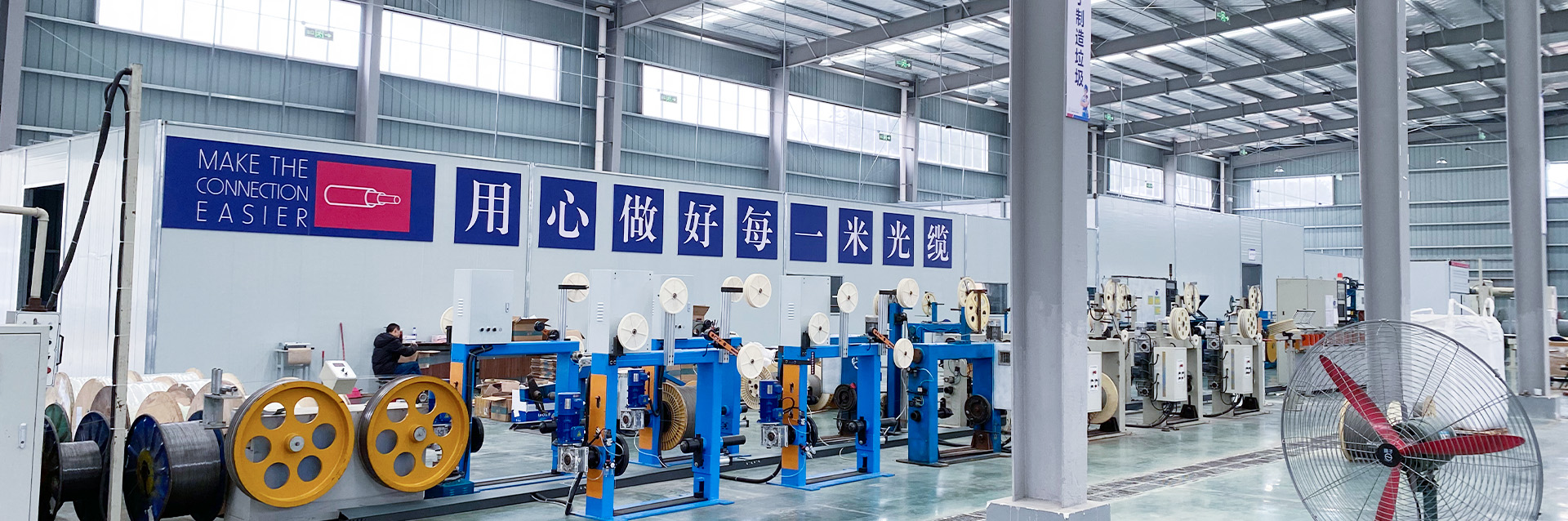
Our Factory & Philosophy
We are committed to innovation and excellence. Our team of experts are constantly pushing the boundaries of what’s possible, ensuring that we remain at the forefront of the industry. We invest heavily in research and development to ensure that we are always one step ahead of the competition. Our cutting-edge technology allows us to produce fibre optic cables that are not only faster and more reliable, but also more durable and cost-effective.
Our advanced manufacturing process ensures that our fibre optic cables are of the highest quality, guaranteeing lightning-fast speeds and reliable connectivity. Our commitment to excellence means that our customers can always rely on us to provide them with the best possible solutions.
If you’re looking for a reliable, high-speed fibre optic cable solution, look no further than OYI. Contact us now to see how we can help you stay connected and take your business to the next level.
Production Lines & Manufacturing Facilities


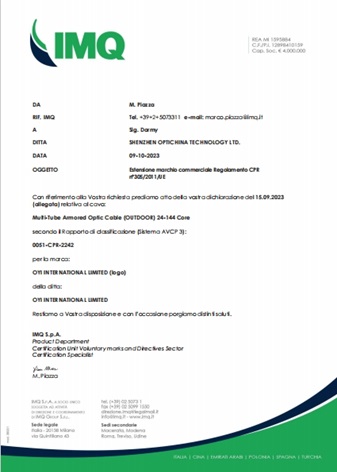
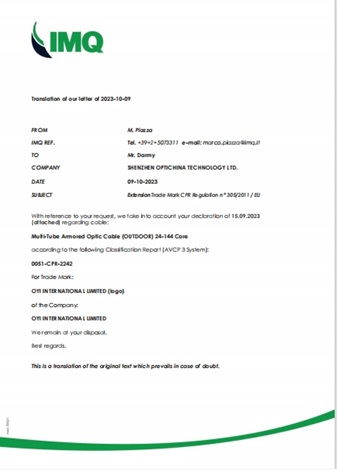
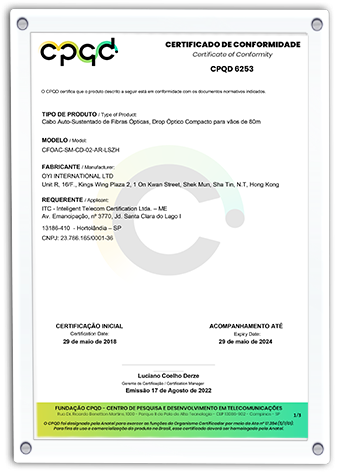
Global Certifications & Quality Approvals
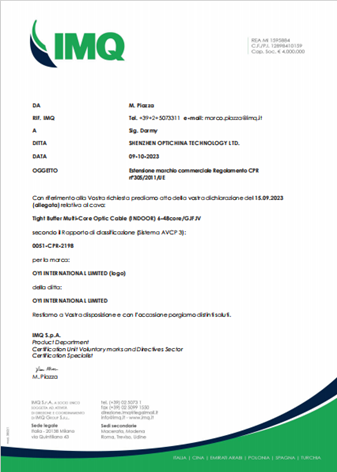
Our complete product portfolio complies with international optical, mechanical, and safety standards including CPR, CE, ISO9001, RoHS, and TLC.


Comprehensive Subterranean Pipeline & Fiber Splicing Product Suite
Discover our complete line of splice closures, distribution cabinets, terminal boxes, cabling, and field installation equipment engineered for harsh underground environments.